
 Book Now
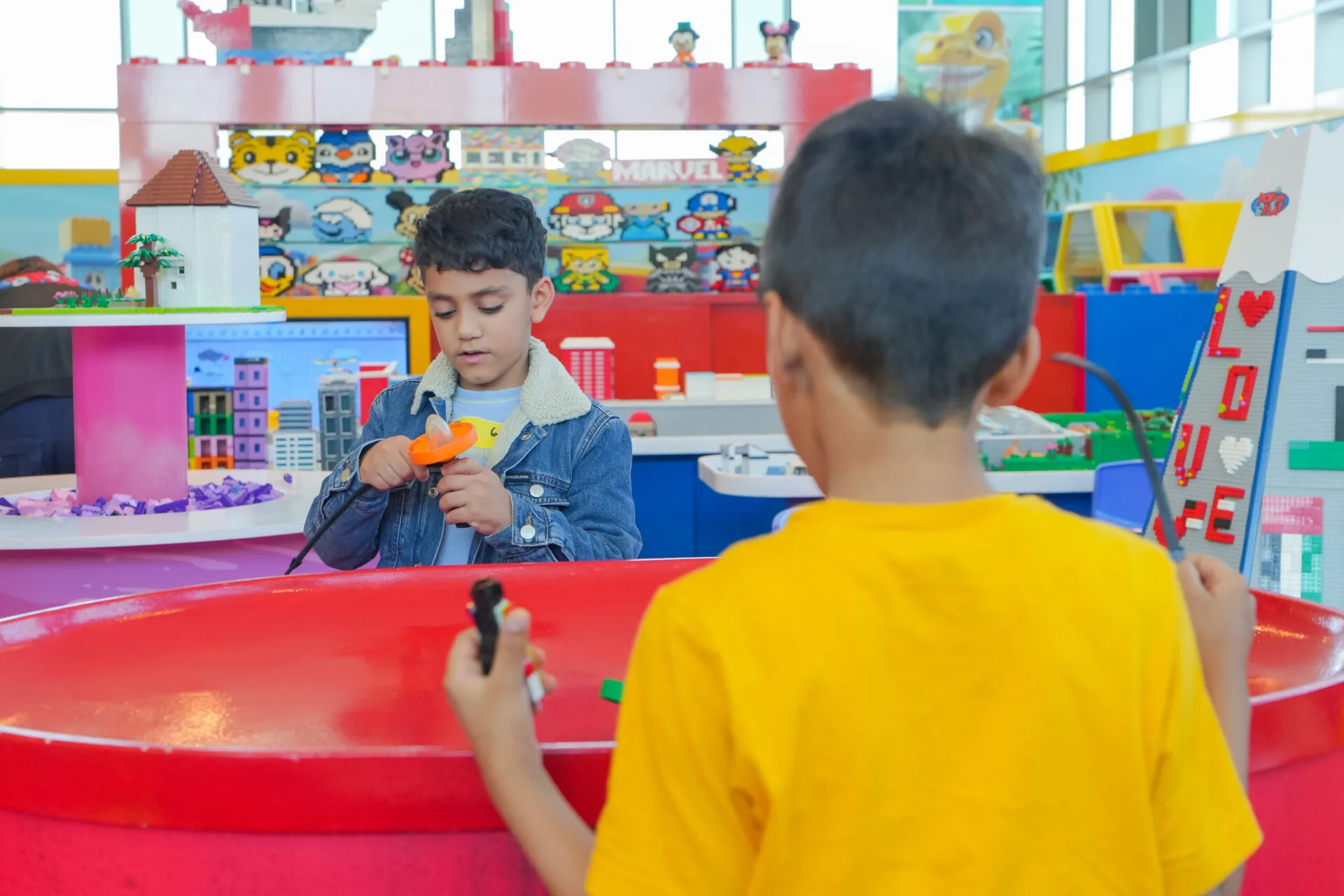
Turn ordinary building blocks into learning tools with simple games like color sorting, counting towers, and pattern matching — no flashcards needed. These five games teach early math and color recognition through hands-on play toddlers already love.
Building blocks are one of the few toys that stay useful for years, and with a small tweak, they can do double duty as an early learning tool. Instead of buying separate “educational” toys, these five games turn the blocks you already have into counting and color-recognition practice — all disguised as play.
Why Blocks Work So Well for Early Learning
Toddlers learn best through hands-on, repeatable actions rather than passive instruction. Blocks are ideal because they’re tactile, open-ended, and let a toddler fail and retry without frustration — stack too high, it falls, they try again. That trial-and-error process is exactly how early math and pattern recognition take root, long before a child can name a number or a color reliably.
1. Color Sorting Bins
How to play: Give your toddler a set of mixed-color blocks and a few bowls or bins labeled (or color-coded) to match. Ask them to sort each block into the right bin by color.
What it teaches: Color recognition and basic categorization — an early sorting skill that leads into more advanced math concepts later.
Tip: Start with 2–3 colors, then add more as your toddler gets faster.
2. Counting Towers
How to play: Call out a number, and have your toddler stack that many blocks into a tower. Knock it down together, and call out the next number.
What it teaches: One-to-one correspondence — the idea that each number corresponds to exactly one object, which is the foundation of real counting (not just reciting numbers in order).
Tip: Keep towers under 10 blocks for toddlers under 3, so the physical stacking stays manageable.
3. Pattern Trains
How to play: Line up blocks in a simple repeating pattern (red, blue, red, blue) and ask your toddler to continue it, or copy your pattern with their own blocks.
What it teaches: Pattern recognition, an early building block (no pun intended) for both math and reading skills.
Tip: Start with a two-color pattern before introducing three.
4. Color Hunt & Build
How to play: Call out a color, and have your toddler run to find and bring back a block of that color to add to a shared tower.
What it teaches: Combines color recognition with gross motor movement — useful for burning energy during long indoor stretches. Pairs well with the indoor activity ideas in our [UAE summer indoor activities guide].
Tip: This one works especially well as a change-of-pace activity between quieter sensory play.
5. How Many Blocks Am I Hiding?
How to play: Hide a small number of blocks under a cup or cloth, show your toddler how many you’re hiding before covering them, then ask them to guess or count how many are underneath.
What it teaches: Early number sense and memory — a simple precursor to addition and subtraction concepts.
Tip: Keep the hidden count to 1–3 blocks for toddlers just starting out.
Why Are Building Blocks Good for Early Learning?
Building blocks are more than just toys. They give children an opportunity to learn through hands-on exploration.
Block activities can help children practice:
- Counting
- Color recognition
- Sorting
- Patterns
- Problem-solving
- Fine motor skills
- Hand-eye coordination
- Creativity
For more ideas, read our guide on 5 Skills Children Learn Through Building Brick Activities.
You can also learn more about the developmental benefits of building activities in Are Building Brick Activities Good for Child Development?.
How Can Parents Make Block Games More Fun?
The goal is not to turn playtime into a formal lesson. Keep the games short, simple, and playful.
Try asking questions while your child builds:
- “How many blocks did you use?”
- “What color is this?”
- “Can you find another one?”
- “Which tower is taller?”
- “What should we build next?”
Let your child make mistakes and experiment. The learning happens naturally while they play.
Building Block Activities in Abu Dhabi
Families in Abu Dhabi can also look for indoor play experiences where children can build, explore, and learn with other children.
At Pop In & Play, children can enjoy hands-on building brick activities in an indoor environment. It can be a fun option for parents looking for educational activities for toddlers and preschoolers in Abu Dhabi.
If you’re looking for more hands-on learning ideas, read Why Hands-On Learning Is Important for Early Childhood.
Key Takeaways
- Ordinary building blocks can teach counting, colors, and patterns without needing dedicated “educational” toys.
- One-to-one correspondence (matching one number to one block) is the real foundation of counting — more important than reciting numbers.
- Start simple (2–3 colors, small counts) and increase difficulty as your toddler improves.
- Combining movement with color/number games (like Color Hunt & Build) helps burn energy during long indoor days.
- Short, repeated 10–15 minute sessions work better than long, infrequent ones.
FAQs
Can building blocks help toddlers learn to count?
Yes. Counting blocks gives toddlers a hands-on way to connect numbers with physical objects and practice one-to-one counting.
How can I teach colors using building blocks?
Ask your child to find, match, and sort blocks by color. You can also create simple color patterns for your child to copy.
What are good block games for preschoolers?
Counting games, color sorting, number towers, pattern copying, and building challenges are simple educational block games for preschoolers.
Are building blocks educational toys?
Yes. Building blocks can support early learning by encouraging counting, sorting, pattern recognition, problem-solving, fine motor skills, and creativity.
Can I play these building block games at home?
Absolutely. Most of these games require only a small collection of colored building blocks and can be played on a table or on the floor.
