
 Book Now
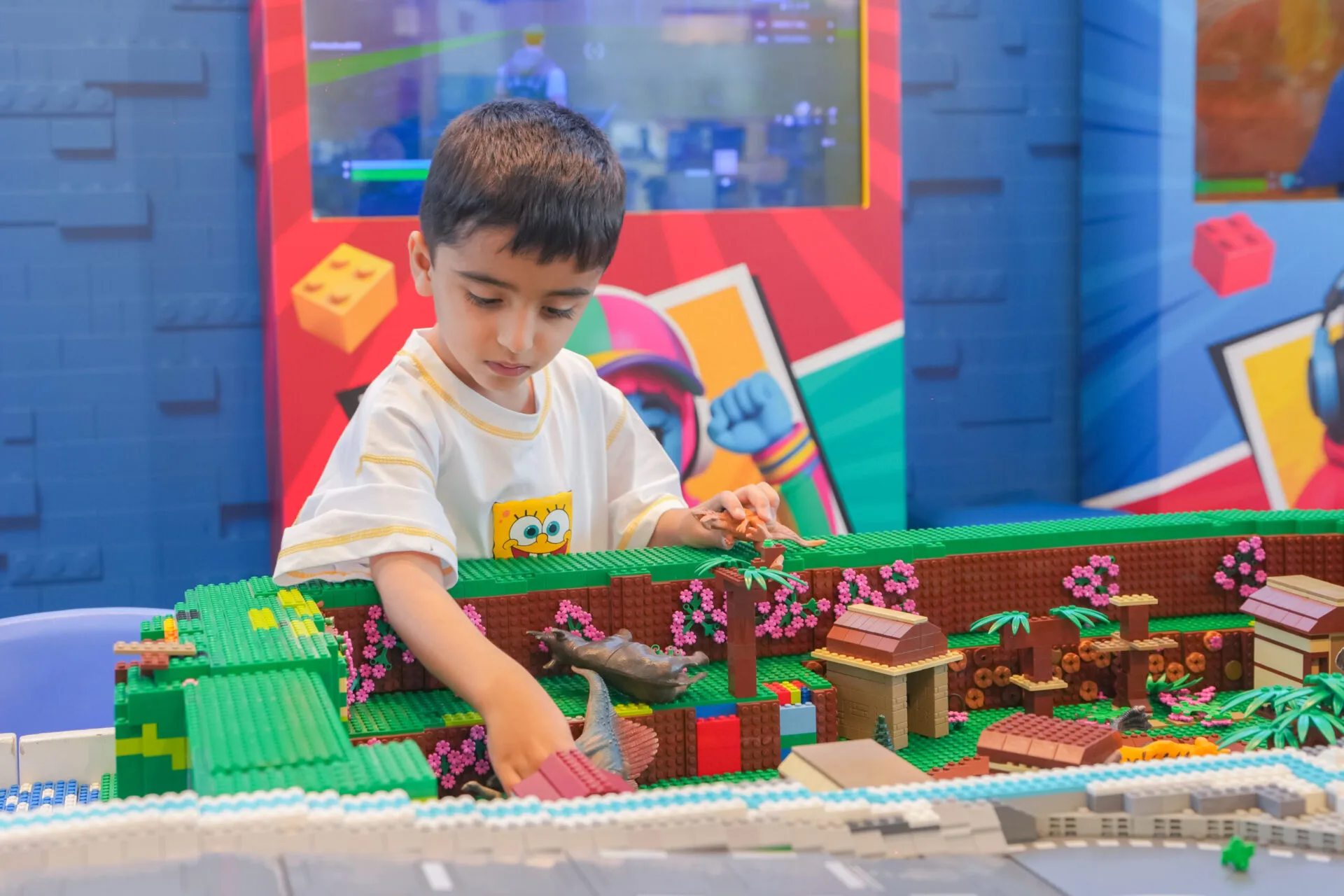
Children learn best when they can explore, touch, build, and experience things for themselves. This is why hands-on learning is one of the most effective ways to support early childhood development. Instead of simply listening or watching, children actively participate in activities that help them understand new ideas while having fun.
Whether it’s building with bricks, solving puzzles, creating art, or taking part in group activities, hands-on learning for children helps them develop important life skills that last a lifetime.
What Is Hands-On Learning?
Hands-on learning is an approach where children learn through practical activities instead of only reading or listening. They explore, experiment, build, and solve problems using real objects and interactive experiences.
Examples of hands-on learning activities include:
- Building brick activities
- Arts and crafts
- STEM challenges
- Educational games
- Group projects
- Creative play
These activities encourage children to stay engaged while developing important skills.
Related Reading: Are Building Brick Activities Good for Child Development?
1. Hands-On Learning Improves Creativity
Creative thinking begins when children are given the freedom to explore their own ideas.
Activities such as building brick play, drawing, and creating different designs encourage children to use their imagination and think outside the box.
Creative learning helps children:
- Express themselves
- Build confidence
- Explore new ideas
- Develop independent thinking
2. Children Learn Through Experience
One of the biggest benefits of hands-on learning is that children remember what they do much better than what they simply hear.
For example, building a bridge with bricks teaches balance, structure, and problem-solving in a fun and practical way.
This type of learning through play keeps children interested and encourages them to ask questions and explore new ideas.
Related Reading: Why Indoor Play Areas Are Perfect for Child Development
3. Hands-On Activities Build Problem-Solving Skills
Many activities require children to think, make decisions, and find solutions.
Whether they are completing a building challenge or working on a group activity, children learn how to overcome obstacles and try different approaches.
These experiences help develop:
- Critical thinking
- Decision-making
- Patience
- Confidence
These problem-solving skills are valuable both inside and outside the classroom.
4. Supports Fine Motor Skill Development
Hands-on activities also improve physical development.
When children pick up building bricks, paint, cut paper, or complete puzzles, they strengthen the small muscles in their hands and fingers.
Strong fine motor skills help children with:
- Writing
- Drawing
- Using scissors
- Buttoning clothes
- Everyday tasks
5. Encourages Teamwork and Communication
Many hands-on learning activities involve working with others.
Children learn to:
- Share ideas
- Take turns
- Listen carefully
- Solve problems together
- Respect different opinions
These experiences improve communication and also help children develop strong social skills.
6. Introduces STEM Learning
Hands-on learning is one of the easiest ways to introduce children to STEM activities.
By building structures, testing ideas, and solving simple engineering challenges, children begin learning about science, technology, engineering, and mathematics in an enjoyable way.
They learn by experimenting rather than memorising.
Why Parents Choose Hands-On Learning in Abu Dhabi
Many families looking for indoor activities for kids in Abu Dhabi prefer experiences that combine education with fun.
Hands-on learning keeps children active, reduces screen time, and helps them build valuable skills while enjoying themselves in a safe indoor environment.
Hands-On Learning at Pop In & Play
At Pop In & Play, children enjoy exciting building brick activities that encourage creativity, teamwork, problem-solving, and STEM learning.
Whether visiting with family, attending a birthday party, or joining a school visit, children learn through interactive play while building confidence and making new friends.
Quick Answer: Why Is Hands-On Learning Important?
Hands-on learning is important because it helps children learn by doing. It improves creativity, problem-solving, communication, fine motor skills, confidence, and critical thinking while making learning enjoyable and memorable.
Key Takeaway
The benefits of hands-on learning for children go far beyond the classroom. It encourages creativity, builds confidence, develops problem-solving skills, improves communication, and supports healthy child development.
By giving children opportunities to explore, build, and create, hands-on learning makes education more enjoyable and meaningful. Activities like building brick play allow children to learn through experience while having fun, making them an excellent choice for families looking for educational and engaging experiences in Abu Dhabi.
FAQ
1. Why is hands-on learning important for early childhood?
Hands-on learning helps children understand concepts by actively exploring, building, and experimenting. It improves creativity, problem-solving skills, confidence, communication, and supports healthy child development through real-life experiences.
2. What are some examples of hands-on learning activities for children?
Popular hands-on learning activities include building brick play, arts and crafts, STEM challenges, puzzles, sensory play, educational games, and group projects. These activities encourage children to learn through play while developing important life skills.
3. How does hands-on learning support child development?
Hands-on learning supports child development by improving fine motor skills, cognitive development, creativity, teamwork, communication, and critical thinking. It helps children become active learners by encouraging them to solve problems and explore new ideas.
4. Where can children enjoy hands-on learning activities in Abu Dhabi?
Children can enjoy fun and educational hands-on learning activities at Pop In & Play in Abu Dhabi. Through interactive building brick activities, school visits, family play sessions, and birthday parties, children can develop important skills while learning through play.
