
 Book Now
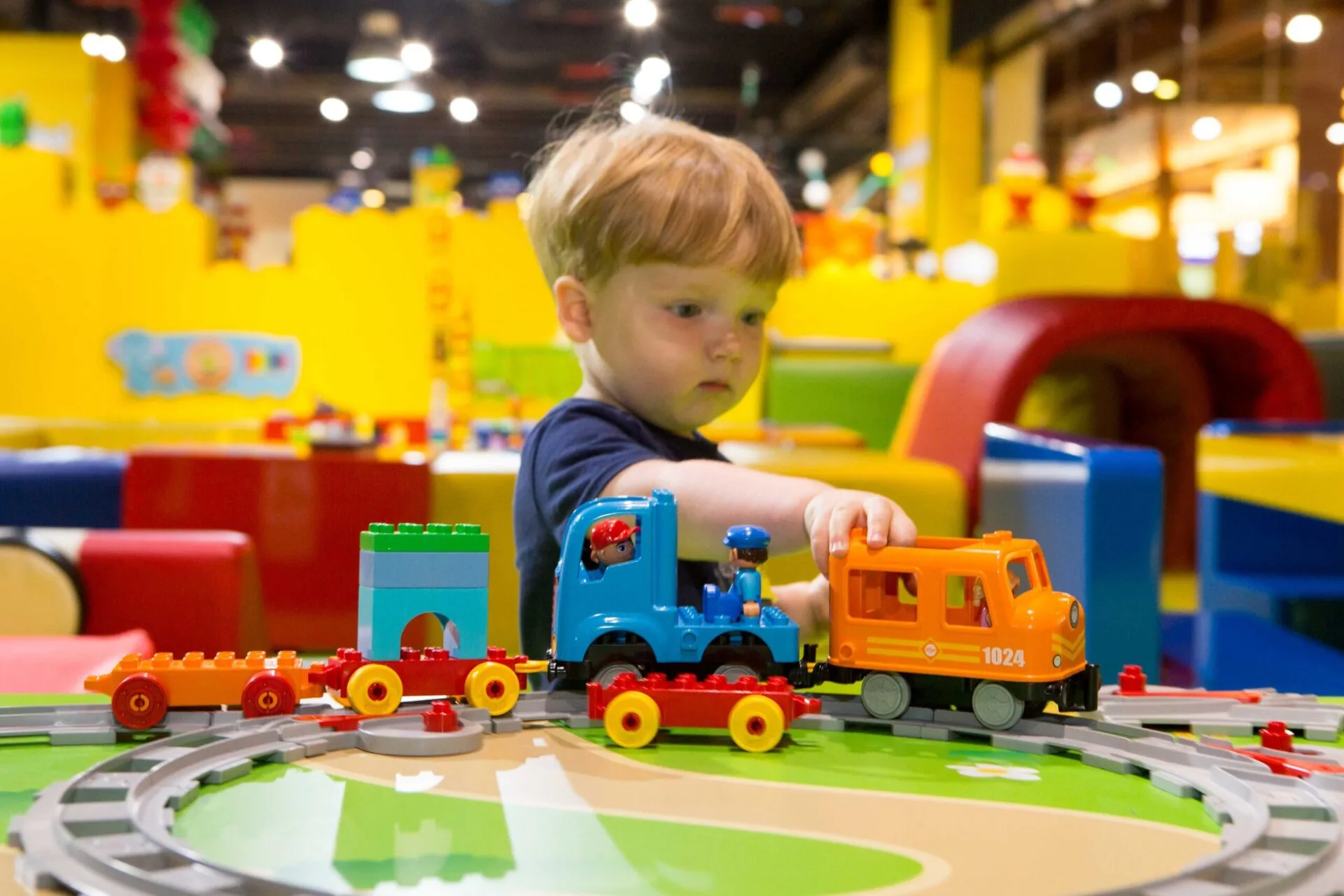
Play is one of the most important parts of a child’s development. It helps children build confidence, improve communication, and develop problem-solving skills. However, as children grow, many parents begin to wonder whether their child should continue with free play or start participating in structured play classes.
The truth is that both types of play offer valuable benefits. Understanding your child’s needs can help you choose the right balance between the two.
What Is Free Play?
Free play gives children the freedom to explore, create, and play at their own pace.
Examples include:
- Building with bricks
- Pretend play
- Drawing and colouring
- Playing with toys
- Creating their own games
Free play encourages creativity, independence, and imagination while allowing children to make decisions on their own.
What Are Structured Play Classes?
Structured play includes organised activities led by instructors or play facilitators.
These activities often involve:
- Team games
- Building challenges
- Creative workshops
- STEM activities
- Group learning sessions
Structured play helps children follow instructions, work with others, and build confidence in a supportive environment.
1. Your Child Enjoys Following Instructions
One of the first signs your child is ready for structured play is their ability to listen to simple instructions and complete activities step by step.
If they enjoy participating in guided games or classroom activities, they may benefit from structured play sessions that encourage learning through fun challenges.
2. They Like Playing With Other Children
Children who enjoy making friends, sharing toys, and working together often thrive in structured group activities.
These sessions help children improve:
- Teamwork
- Communication
- Patience
- Social confidence
Group play also teaches valuable life skills that children can use at school and beyond.
3. They Can Focus on Activities for Longer
As children grow, their attention span naturally improves.
If your child can stay engaged in an activity for 20–30 minutes without becoming frustrated, they may be ready for more structured play experiences that involve creative projects and problem-solving tasks.
4. They Enjoy Learning New Skills
Some children naturally enjoy trying new activities and solving challenges.
If your child becomes excited about building, experimenting, or completing creative tasks, structured play classes can provide opportunities to develop:
- Creativity
- Critical thinking
- Fine motor skills
- STEM learning
These activities make learning enjoyable while building confidence.
5. They Still Love Free Play
Even if your child is ready for structured play, free play should remain an important part of their daily routine.
Free play gives children time to relax, use their imagination, and explore their own interests without pressure.
The best approach is to balance structured activities with plenty of opportunities for independent play.
Finding the Right Balance
Children don’t have to choose between structured play and free play.
In fact, combining both offers the greatest benefits.
Structured activities teach new skills, while free play allows children to practise those skills creatively.
At Pop In & Play, children enjoy the best of both worlds. They can participate in engaging building brick challenges while also exploring freely through creative play. This balance helps children learn, socialise, and build confidence in a fun indoor environment.
Why Parents Choose Pop In & Play
Pop In & Play offers hands-on activities that support children’s development through both guided experiences and independent exploration.
Children can:
- Build with bricks
- Solve creative challenges
- Work together with friends
- Explore their imagination
- Develop problem-solving skills
- Enjoy safe indoor play
Whether your child prefers structured activities, free play, or a combination of both, our indoor play centre provides a welcoming environment where they can learn while having fun.
Final Thoughts
Every child develops at their own pace, and there is no single right age to move from free play to structured play classes.
The key is to observe your child’s interests, confidence, and readiness. A combination of structured learning and independent play helps children develop essential life skills while keeping play enjoyable and engaging.
If you’re looking for interactive indoor activities that combine creativity, learning, and fun, Pop In & Play offers exciting building brick experiences designed to support children at every stage of development.
Related Articles
You may also enjoy:
- Why Hands-On Learning Is Important for Early Childhood
- Why Indoor Play Areas Are Perfect for Child Development
- Are Building Brick Activities Good for Child Development?
Frequently Asked Questions
What age should kids start structured play classes?
There’s no fixed age — readiness depends on attention span, turn-taking ability, and comfort with peers, which typically develops between 2.5 and 4 years old.
Is free play as valuable as structured classes?
Yes. Free play builds imagination, independence, and self-regulation, while structured classes build listening skills and cooperation. Neither replaces the other.
What if my child cries or refuses to join a class?
This is common and doesn’t mean something is wrong. It usually means more time in free play will help build the comfort and skills needed before trying structured activities again.
Can a child move between free play and structured classes?
Yes, and most children benefit from doing both, in whatever mix suits their current
