
 Book Now
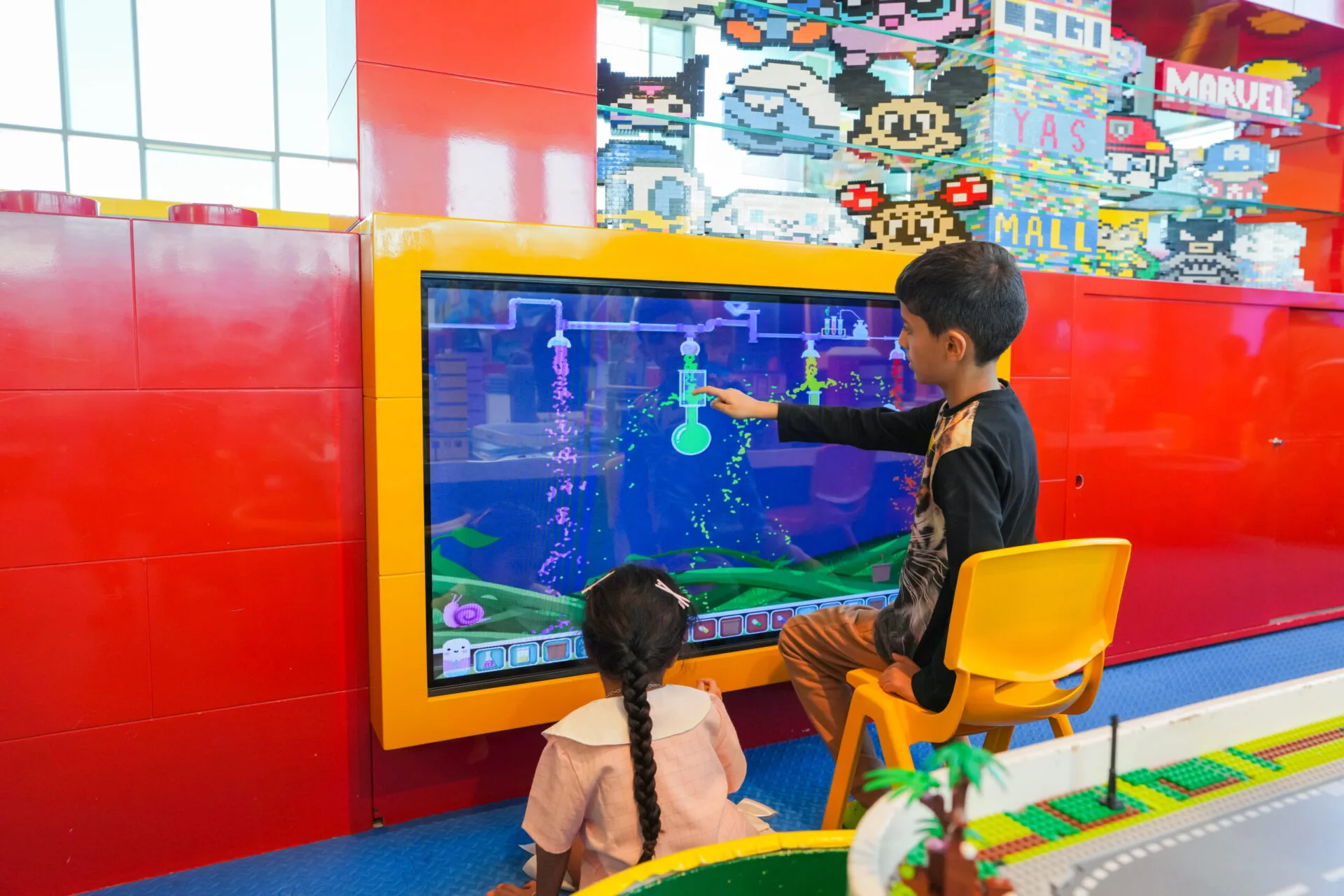
Screens are part of everyday childhood now. Phones, tablets, TVs, and gaming devices show up in learning, entertainment, and even downtime between activities. So it’s no surprise that one of the most common questions parents ask is: how much screen time is too much for kids?
There’s no single number that applies to every child. In 2026, pediatric experts moved away from strict hour-based limits toward a more individualized approach. As a general guide: no screens under 18 months (except video calls), about 1 hour a day of high-quality, co-viewed content for ages 2–5, and roughly 2 hours of recreational screen time for ages 6–12. Beyond the numbers, what matters most is whether screens are replacing sleep, physical activity, family time, and hands-on play.
For families in Abu Dhabi, striking that balance is easier when kids have exciting screen-free options to turn to which is exactly where indoor play comes in.
What Changed in the 2026 Screen Time Guidelines?
For years, parents were told to stick to a strict “2-hour rule.” That’s no longer the standard. Pediatric bodies have shifted the conversation from counting minutes to asking better questions about how screens are being used.
The new approach looks at five things:
- Child – Is this appropriate for my child’s age and temperament?
- Content – Is what they’re watching or playing age appropriate and enriching?
- Calm – Are screens being used to soothe emotions instead of helping kids learn to self-regulate?
- Crowding out – Is screen time pushing out sleep, play, reading, or family time?
- Communication – Are we talking with our kids about what they watch and play?
This shift matters because it puts the focus where it should be: not just how long a child is on a screen, but what it’s replacing.
How Much Screen Time Is Recommended by Age?
While there’s no longer a single hard rule, general age-based guidance still helps parents set a starting point:
- Under 18–24 months: No screen time, with the exception of video calls with family.
- Ages 2–5: Around 1 hour a day of high-quality, age-appropriate content — ideally watched together with a parent rather than alone.
- Ages 6–12: Roughly 2 hours of recreational screen time, adjusted based on how it fits into the child’s overall day.
- Teens: No fixed cap. Instead, families are encouraged to build a media plan that protects sleep, schoolwork, and in-person relationships.
These numbers are a reference point, not a stopwatch. A child who spends 45 minutes actively building something in an educational app is in a very different place than a child who spends 45 minutes passively scrolling short videos.
1. Screen Time Should Not Replace Active Play
Children need to move their bodies every single day. Running, climbing, jumping, and playing with other kids build physical skills, coordination, and confidence that no app can replicate.
Instead of letting an entire afternoon disappear into a screen, try balancing it with:
- Indoor play
- Building brick activities
- Outdoor play
- Arts and crafts
- Family games
Related Read : Why Indoor Play Areas Are Perfect for Child Development
2. Too Much Screen Time Can Reduce Creative Play
Kids need unstructured time to invent their own games and follow their imagination. Free play lets a child decide what to build, create, or pretend — something passive screen content doesn’t offer.
Building brick activities are a great example: instead of consuming someone else’s content, a child is creating their own ideas from scratch.
Related Read : 5 Skills Children Learn Through Building Brick Activities
3. Watch for Changes in Sleep
One of the clearest signs that screen use may be affecting a child is a disrupted sleep routine. Screens close to bedtime, especially bright, stimulating content can make it harder for kids to wind down.
A few simple habits can help:
- Keep devices out of bedrooms
- Stick to a consistent bedtime
- Read a book together before sleep
- Avoid high-energy games or shows in the hour before bed
4. Look at What Your Child Is Actually Watching
Not all screen time is equal. A child watching an educational show alongside a parent is having a very different experience than a child scrolling short-form videos alone for an hour.
Ask yourself:
- Is the content age-appropriate?
- Is it educational or genuinely useful?
- Is my child actively engaged, or just passively watching?
- Are they watching alone or with a caregiver?
- Is this replacing something more valuable — sleep, play, family time?
Quality and context matter just as much as the clock.
5. Encourage Screen-Free Family Activities
The easiest way to cut down on screen time isn’t to simply take devices away — it’s to replace them with something kids genuinely enjoy more. Try:
- Building brick challenges
- Board games
- Arts and crafts
- Cooking together
- Family walks
- Indoor play
- Reading
- Creative projects
The goal isn’t eliminating screens completely — it’s making sure kids have plenty of chances to play, explore, and connect without one.
Why Indoor Play Is a Great Alternative to Screen Time
For Abu Dhabi families looking for screen-free activities, indoor play centres offer an exciting, easy alternative. Kids get to move around, interact with other children, and dive into hands-on activities they can’t get from a screen.
At Pop In & Play, children can enjoy building brick activities, creative challenges, and interactive play in a safe, supervised indoor environment. These experiences build:
- Creativity
- Problem-solving
- Teamwork
- Communication
- Physical activity
Kids get to learn, socialize, and burn energy — all without needing a device.
How Parents Can Build a Healthy Screen-Time Routine
A few consistent habits go a long way:
Set clear boundaries. Decide in advance when screens are allowed and when they’re not — and stick to it.
Create screen-free times. Mealtimes, family outings, and bedtime are natural opportunities to put devices away.
Offer real alternatives. Kids move away from screens more easily when something more exciting is available.
Be a role model. Children mirror adult habits. Putting your own phone away during family time sends a powerful message.
Final Thoughts
Screens aren’t inherently bad for kids, the real key is balance. Children need some exposure to technology, but they also need creative play, physical activity, social interaction, family time, and enough sleep to grow and thrive.
If you’re looking for fun ways to cut down on screen time, activities like building bricks, indoor play, creative challenges, and family games give kids exciting alternatives they’ll actually look forward to.
For families in Abu Dhabi, Pop In & Play offers hands-on indoor activities where children can play, build, create, and learn with no screen required.
FAQs About Screen Time for Kids
Is 1 hour of screen time enough for a 3-year-old?
For most 2–5-year-olds, around 1 hour a day of high-quality, co-viewed content is a reasonable guide — though the focus should be on content quality and whether it’s replacing play, sleep, or family time, not just the clock.
Does screen time affect toddler speech development?
Excessive passive screen time, especially without an adult co-viewing, has been linked to fewer opportunities for the back-and-forth interaction that helps build early language skills. Active, in-person play and conversation remain the strongest drivers of speech development.
What’s a good screen-free activity for toddlers?
Hands-on options like building brick play, indoor climbing and soft play, arts and crafts, and simple pretend play all give toddlers the kind of active, imaginative engagement screens can’t offer.
Is educational screen time exempt from the guidelines?
Educational content watched together with a caregiver generally counts as higher quality than passive entertainment, but it still shouldn’t crowd out sleep, physical activity, and in-person play.
